Process Large Files with PDF.co and Make using Custom API Call Action
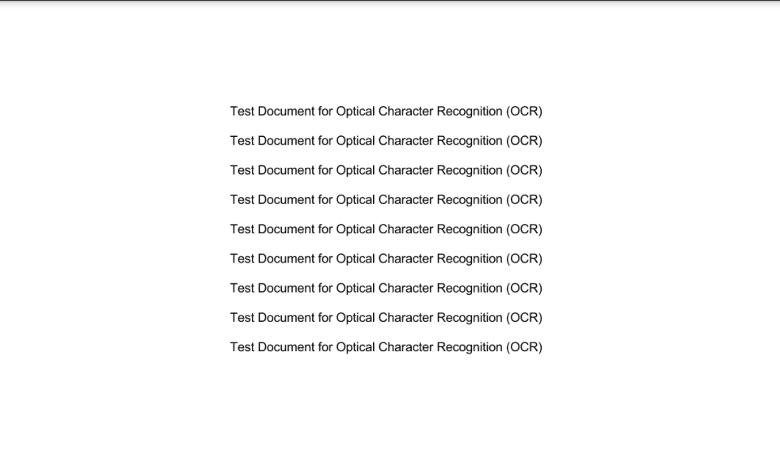
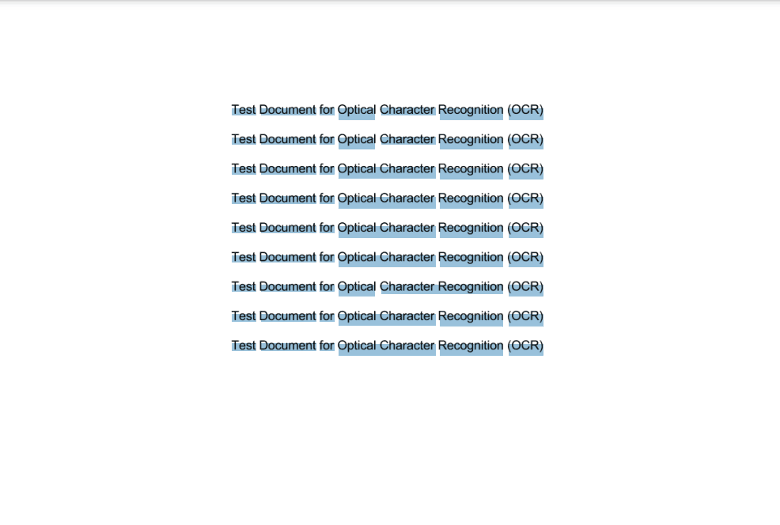
In this guide, we’ll walk you through a step-by-step tutorial to process a large file using PDF.co and Make with the Custom API Call Action. Below is the sample file we’ll use for this tutorial.
Step 1: Create a Scenario
Start by creating a new scenario in Make to set up the automation.
Step 2: Add the Google Drive Module
Add the Google Drive module to the scenario and select the Download a File feature to retrieve the file stored in your Google Drive folder for processing.
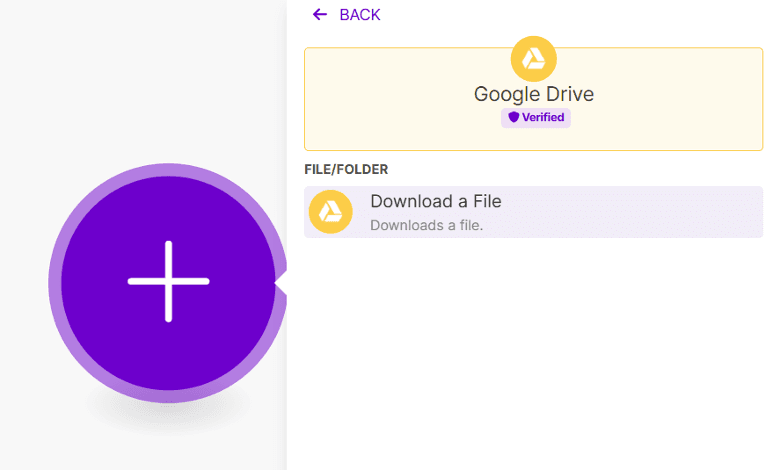
Step 3: Configure Google Drive Settings
- Select the "Choose from the list" option to input a File ID.
- Choose "My Drive" as the Drive to be used.
- Specify the folder and file name you wish to process.
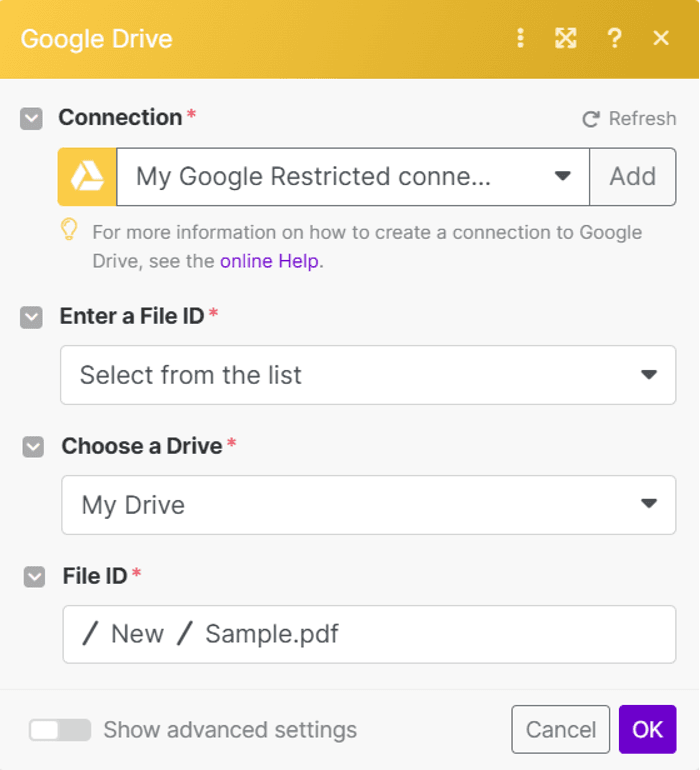
Step 4: Add the PDF.co Module
Next, add the PDF.co module to the scenario and select the Make API Call feature.
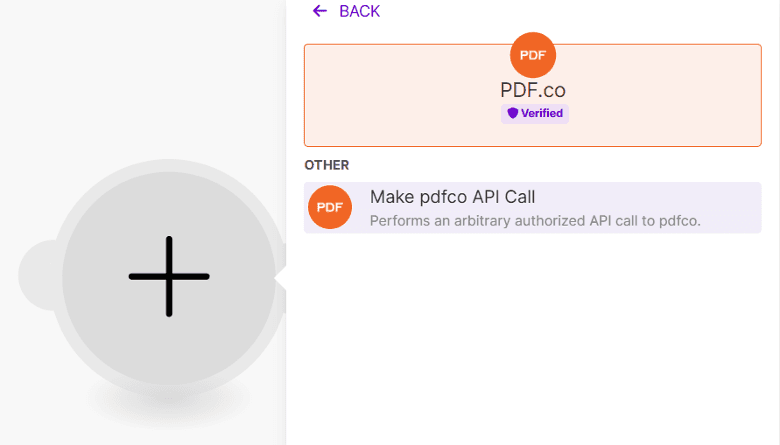
Step 5: Configure the PDF.co API Call
- Configure the PDF.co module as follows:
- Connect your PDF.co account to Make using your PDF.co API key.
- Select the
/v1/pdf/makesearchableendpoint to convert the scanned PDF into a searchable PDF. - Configure the module to upload the file received from Google Drive and inject its temporary URL into the API request.
- Enable asynchronous processing. This allows PDF.co to process the large document in the background.
- Leave automatic job checking enabled. When async mode is used in Make, the PDF.co module automatically checks the job until processing is complete.
- Select Download a File as the export type if the completed PDF will be uploaded directly to Google Drive.
For additional endpoint details, see the PDF.co Make Text Searchable API documentation.
Step 6: Run the Scenario
Run the scenario to test the PDF.co module.
Make will submit the file to PDF.co as an asynchronous job and automatically monitor its status. Once the job is complete, the PDF.co module will return the processed searchable PDF.
Processing time depends on the document’s size, page count, and contents.
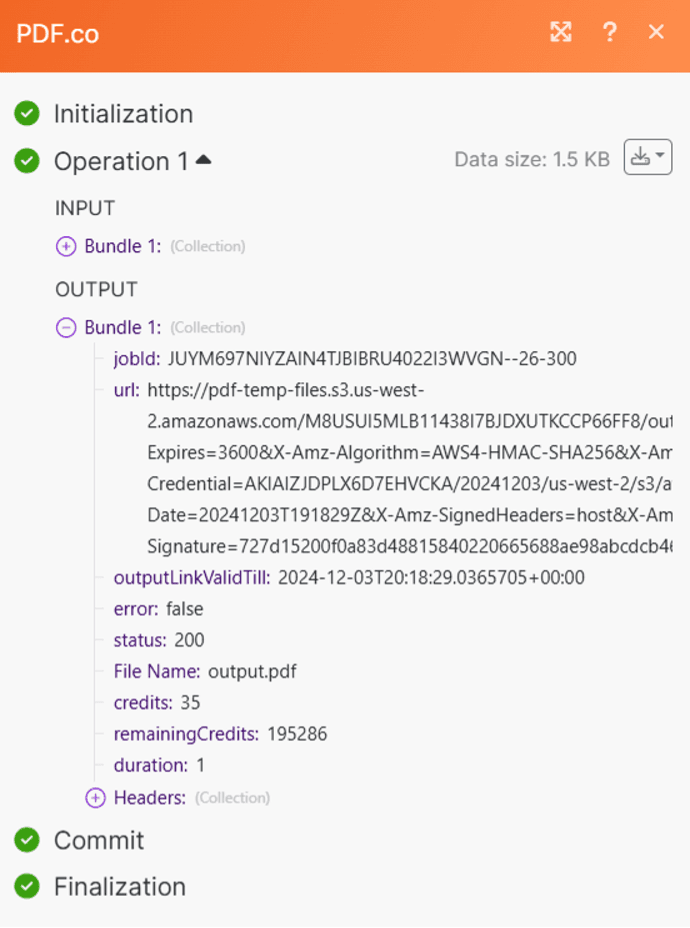
Step 7: Review PDF.co Output
Open the processed PDF and confirm that the scanned document now contains searchable text.
The output may also include a temporary PDF.co URL. Temporary output links expire, so the document should be copied to permanent storage if it needs to remain available.
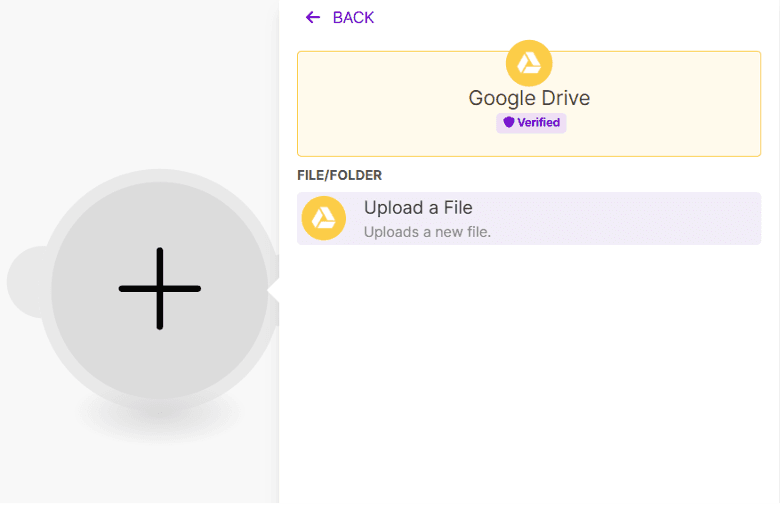
Step 8: Add the Google Drive Upload Module
Integrate the Google Drive module into the scenario to upload the generated file for permanent storage.
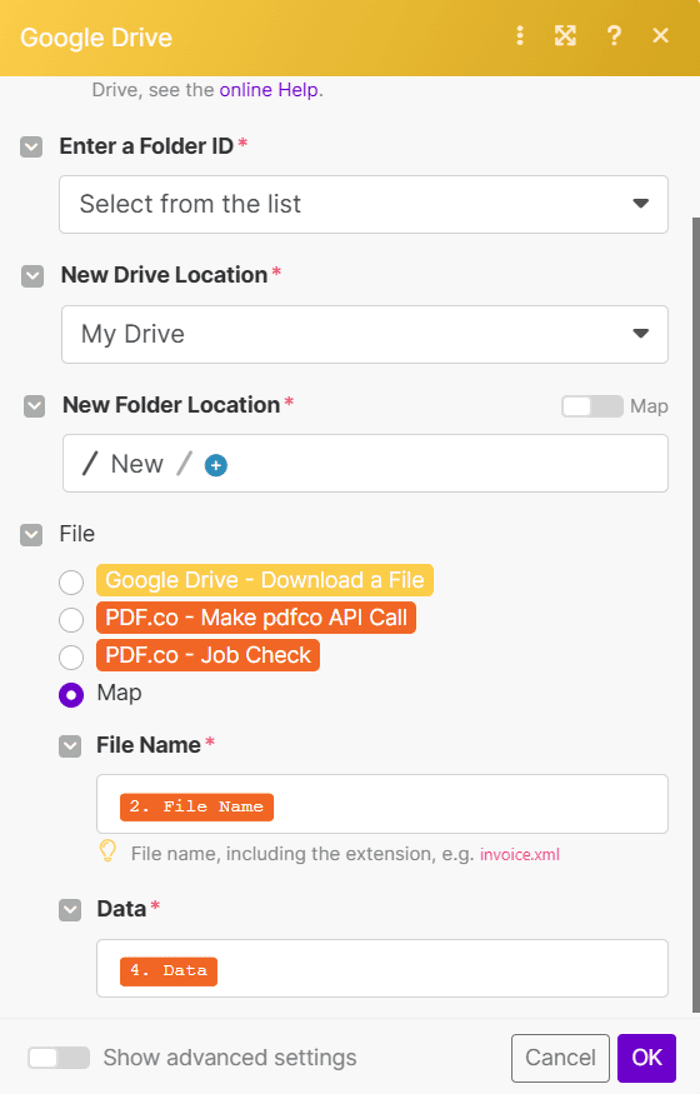
Step 9: Configure the Google Drive Upload
Configure the Google Drive module:
- Select the destination drive and folder.
- Map the output filename from the PDF.co module, or enter a custom filename.
- Map the file data returned by PDF.co into the Google Drive file-data field.
Ensure the output filename ends with .pdf.
Step 10: Run and Verify the Workflow
Run the complete scenario. Make will:
- Download the source file from Google Drive.
- Send it to PDF.co for asynchronous processing.
- Automatically check the PDF.co job until it finishes.
- Receive the completed searchable PDF.
- Upload the resulting file to Google Drive.
Open the destination folder and verify that the processed PDF was uploaded successfully.
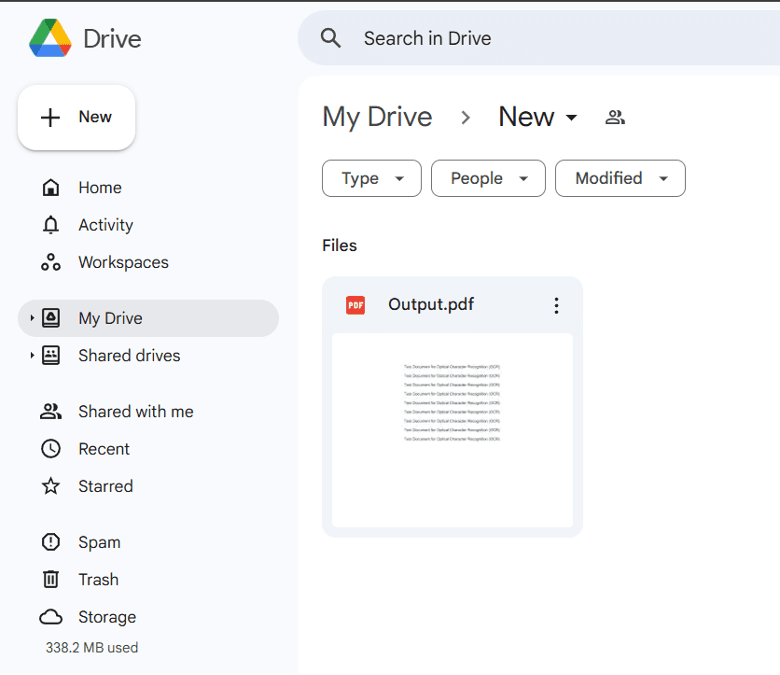
In this tutorial, you learned how to process a large scanned PDF using the PDF.co Custom API Call action in Make. The completed searchable PDF is then uploaded directly to Google Drive for permanent storage.
There are many other things you can do with the PDF.co and Make, including creating PDFs from scratch.
Related Tutorials