Convert DOC to Protected PDF using Make
Convert a Word document to PDF, apply password and permission settings, then save the protected copy. PDF permissions can restrict copying in viewers that honor them. They do not prevent someone from reproducing visible text through screenshots, OCR, or tools that ignore those permissions.
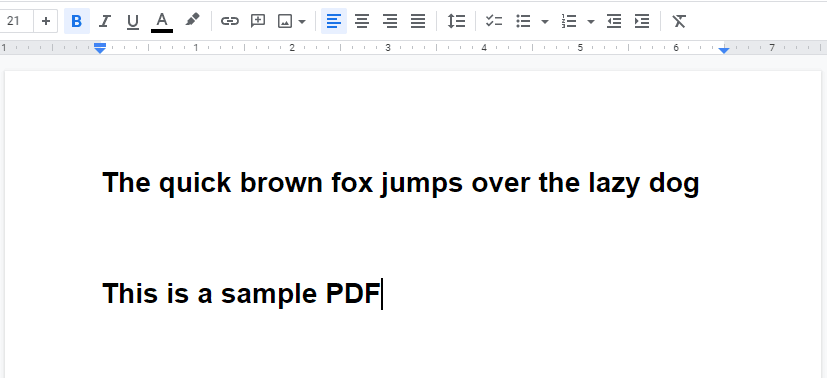
In the tutorial, you will be using Make Scenarios Interface. So, first of all, click Create a New Scenario.
Step 1: Make a Google Drive module
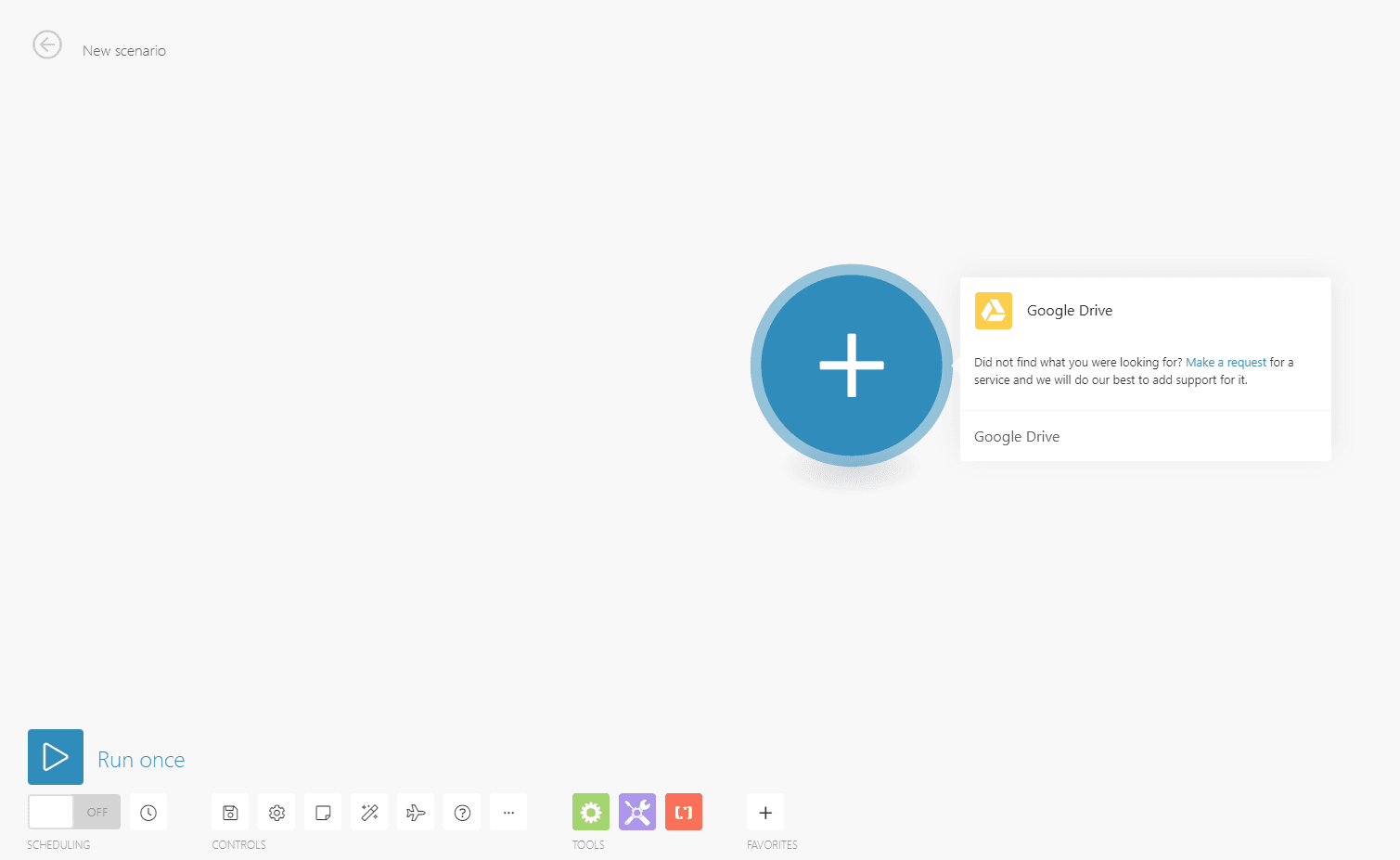
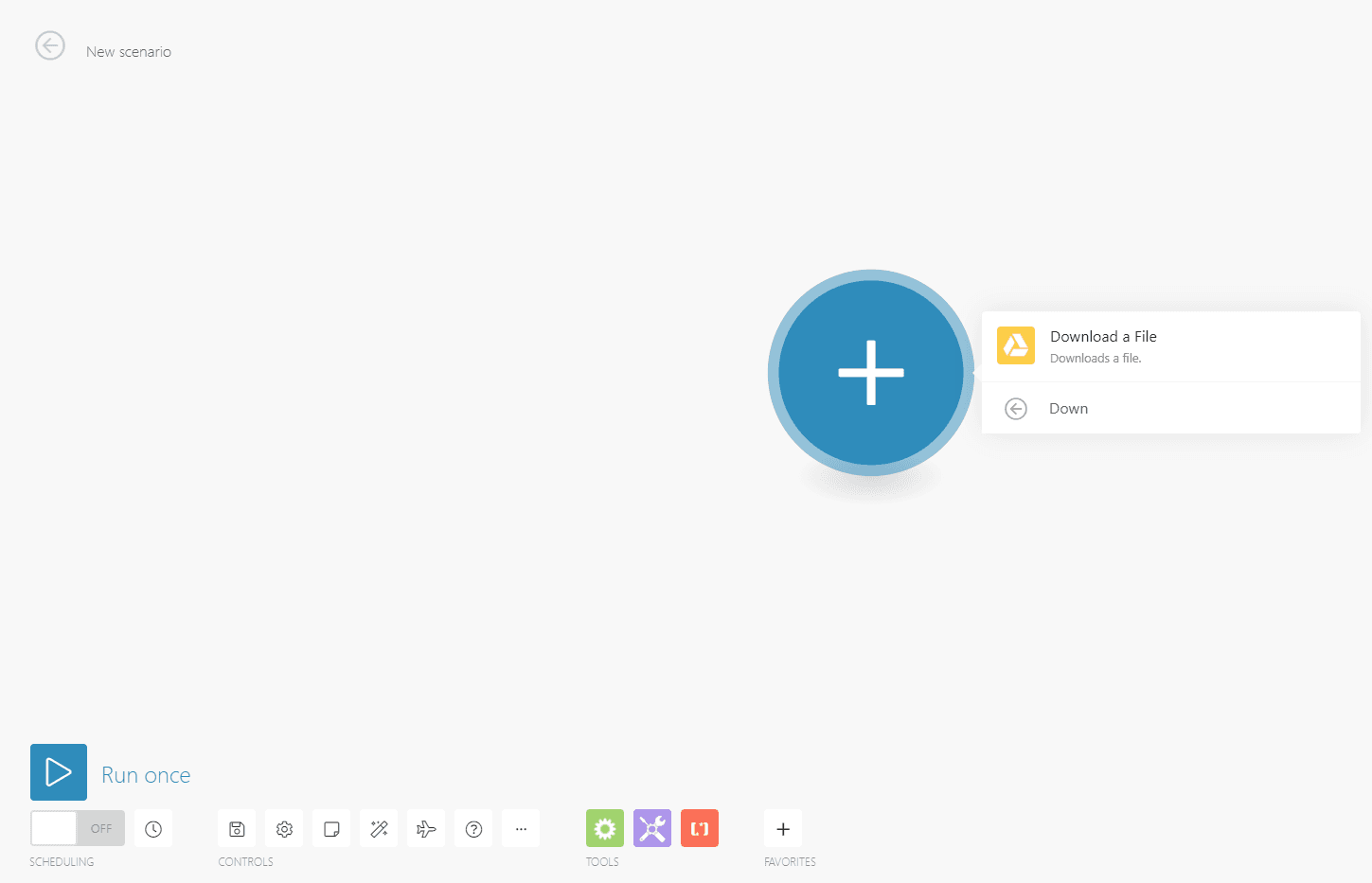
Step 2: Select Download a file
NOTE: In this tutorial, the Google Drive cloud storage will be used. Alternative cloud storage may be also used that has a similar option.
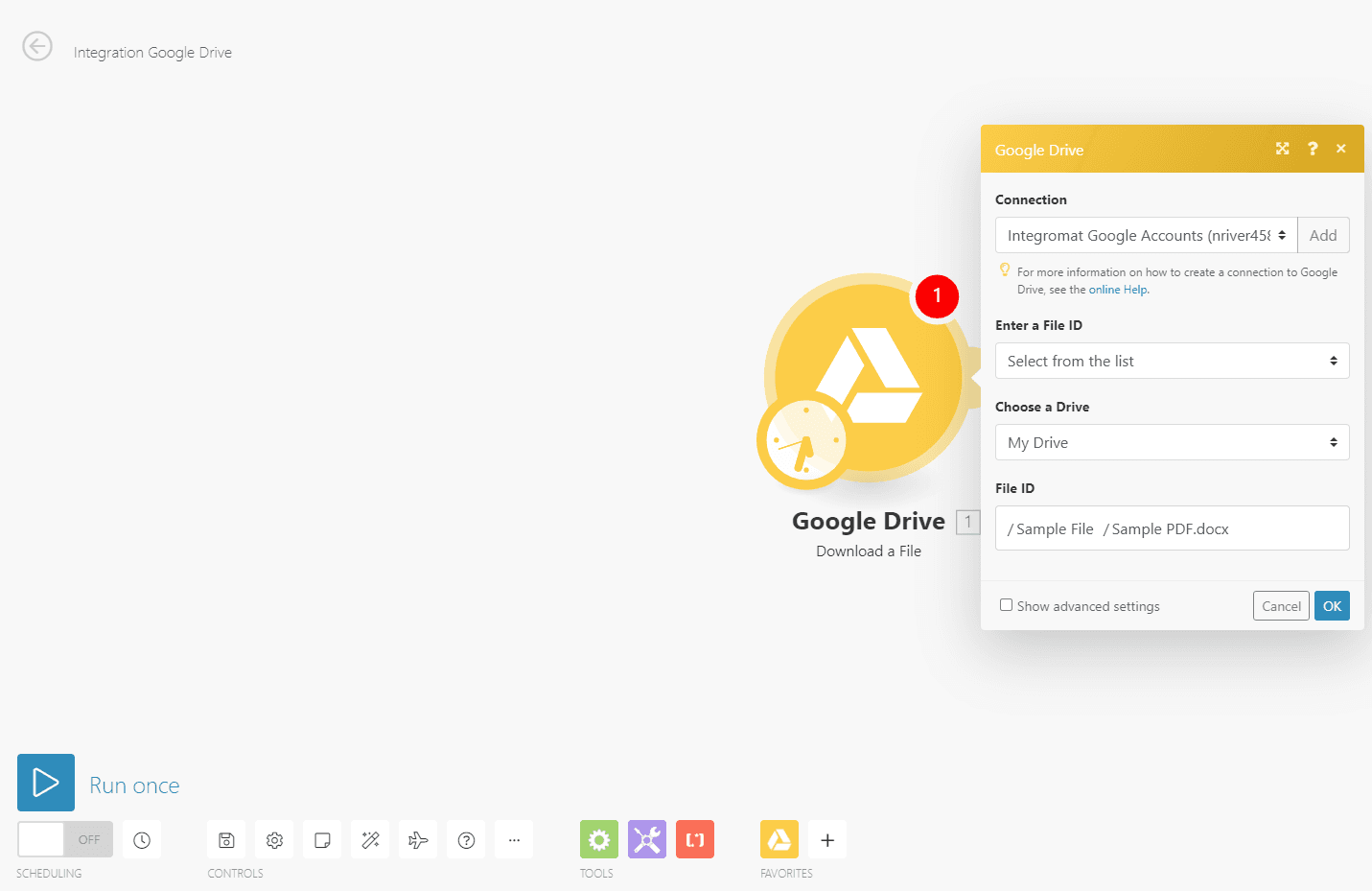
Step 3: Set up the Google Drive module
- Choose your connection for Google Drive
- For Enter a File ID combo box you can select either Select from the list or Enter manually
- My Drive as the drive will be used
- Choose the necessary folder and the file that you will be using
Step 4: Convert the Downloaded Document
After Google Drive’s Download a File module, add PDF.co’s Convert into PDF module.
Connect your PDF.co account using your API key and configure:
- Import Options: Upload a File.
- Data: Map the downloaded file’s binary data from Google Drive.
- Convert Type: Document to PDF.
- Output File Name:
converted.pdf. - Execution Mode: Sync for this small test.
- Export Type: JSON Output.
Run the module with a small DOC or DOCX file and confirm that the conversion succeeds.
Use the completed conversion’s url in the next step. The security module requires a PDF, not the original Word document.
Step 5: Apply Password and Permission Settings
Add PDF.co’s Add Password and Security into PDF module.
Configure the input:
- Import Options: Import PDF from URL.
- URL: Map the conversion module’s url.
- Output File Name:
protected.pdf.
Then configure the protection:
- Owner Password: Set a strong, nonempty password to manage permission restrictions.
- User Password: Optionally set a different password that recipients must enter to open the PDF.
- Encryption Algorithm: Select
AES_128bitorAES_256bit. - Content Extraction: Prohibit copying if that is the intended restriction.
- Other permissions: Choose printing, document modification, form filling, annotation, assembly, and accessibility settings according to the document’s intended use.
- Execution Mode: Sync for this small test.
- Export Type: Download a File.
The owner password and user password serve different purposes. Keep the owner password private; recipients who need to open the PDF should receive only the user password.
If you set an owner password but leave the user password empty, the PDF can open without an opening-password prompt.
Step 6: Save the Protected Output
Run the security module and confirm that it completes without an error.
Add Google Drive’s Upload a File module:
- Destination: Select the output drive and folder.
- File Name: Enter
protected.pdf. - Data: Map Data from the PDF.co security module.
Use the security module’s output—not the earlier unprotected conversion.
If an execution mode returns an unfinished background job, use Job Check, wait for successful completion, and retrieve the completed file before uploading it.
Save the output before its temporary link expires. For repeated runs, use a source-based filename. Keep input and output folders separate if a new-file trigger starts the scenario.
Step 7: Verify the Saved PDF
Open the stored PDF as a recipient:
- If you set a user password, confirm that it is required.
- Test copying and printing in the PDF viewer your recipients use.
- Check form filling and other permissions you configured.
- Compare the PDF’s content, fonts, tables, and page breaks with the Word source.
Do not use the owner password when testing recipient restrictions, because owner access can bypass them.
You now have a Word-to-PDF workflow that saves a copy with the selected password and permission settings. Keep the original document, and remember that these controls do not guarantee that visible information cannot be copied or reconstructed.
Related Tutorials