Read EAN13 Barcodes using PDF.co and Make
In this tutorial, we will show you how to read an EAN13 barcode using PDF.co and Make.
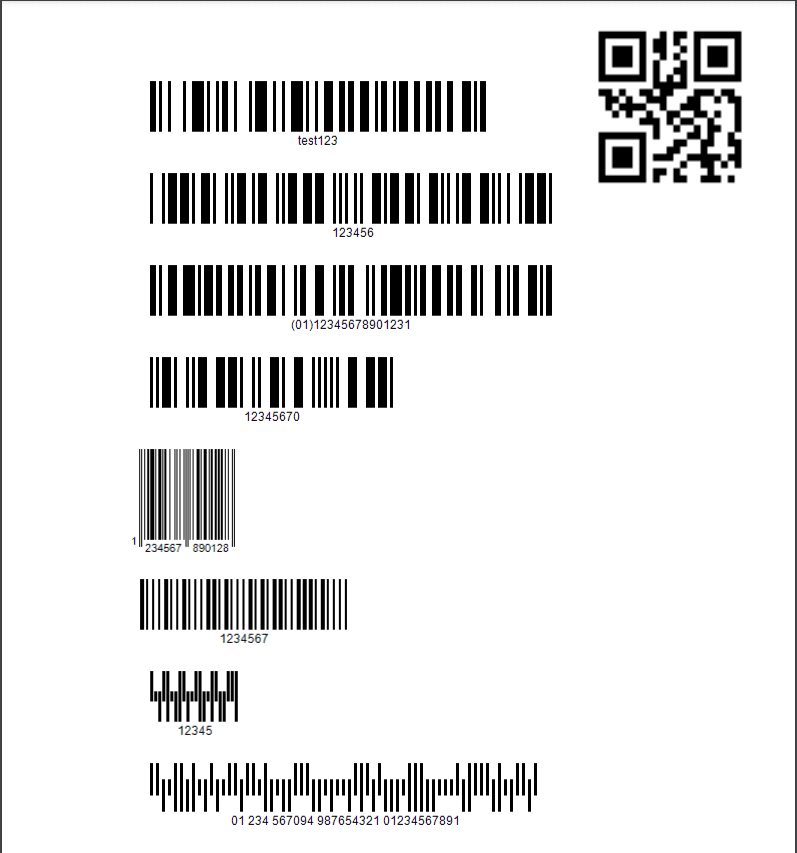
We have a PDF document with different types of barcodes. We will narrow down the barcode decoding to only return the values from an EAN13.
Step 1: Create a Scenario
To begin. First, log in to your Make account and click on the Create a Scenario button at the upper-right corner of your dashboard.
Step 2: Google Drive Module
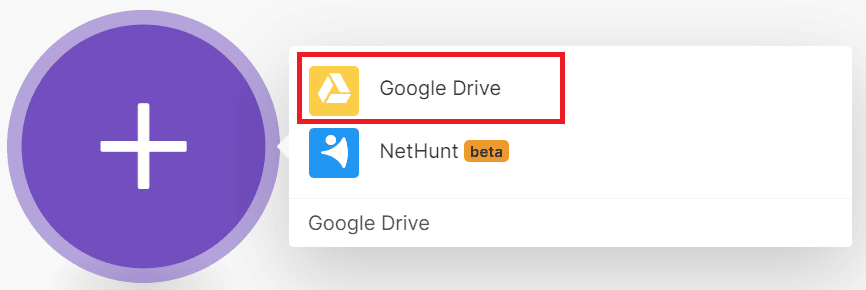
Next, search and select the Google Drive module.
Step 3: Download a File
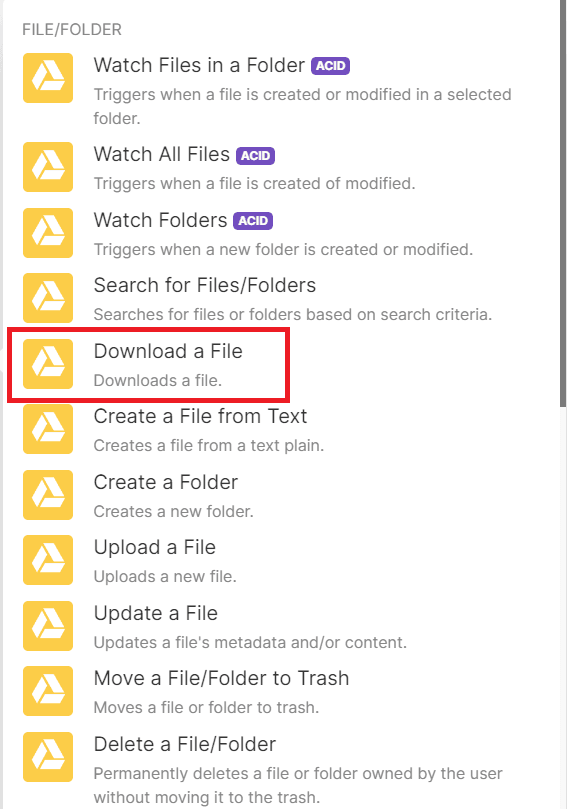
Then, select the Download a File module.
Step 4: Configure Google Drive
Connect your Google Drive account and configure Download a File:
- Choose a Drive: Select the drive containing your PDF or image.
- Enter a File ID: Choose whether to select the file from the list or enter its ID.
- File ID: Select the actual PDF or image containing the barcodes.
For an automated scenario, map the file ID returned by a preceding Google Drive trigger or search step.
Step 5: PDF.co app and Read a Barcode module
Next, select the PDF.co app for the App Event and choose the Read a Barcode module to read barcodes from images, PDF documents, and scanned documents.

Step 6: Read a Barcode Configuration
Now, let’s configure the Read a Barcode module.
- In the Input File field, select the Upload a file module to fetch files from your storage.
- In the Source File field, enter the Google Drive – Download a File.
- In the Barcode Type field, select the EAN13 barcode to identify the items.
- Pages field, type 0 for the first page.

Now, Let’s add an Iterator step to return the Barcode value as a bundle. This way users can map the Barcode value in the next module.
Step 7: Add Flow Control Module
Kindly click on the Flow Control module and select the Iterator to return the barcode value as a bundle.

Step 8: Map the Barcode Array
Run the PDF.co Read a Barcode module once with your sample file, keeping Barcode Type set to EAN13.
Open the Iterator and map Barcodes[] from the completed PDF.co result into its Array field. This array contains the individual barcode results, including their decoded value, type, and page.
The Iterator creates one bundle for each barcode in the array.
Step 9: Use Each Decoded Value
Run the scenario and inspect the Iterator’s output. Map each barcode’s Value into your next module—for example, to look up a product or add a spreadsheet row. Keep barcode values as text to preserve any leading zeros.
Test a file containing multiple EAN13 barcodes and compare the emitted bundles with the source document. Also test a file with no matching barcode. An empty Barcodes array produces no Iterator bundles; handle that result before the Iterator if you need a notification or review step.
In this tutorial, you learned how to read the EAN13 barcode using PDF.co and Make. You learned how to set up the PDF.co Read a Barcode module to only search for a specific type of barcode. The EAN13 is an efficient barcode for high-volume scanning in supermarkets. It can also use for trade units sold to the consumer.
Related Tutorials